Pressure Washing Your Pool Deck: A Step-by-Step Guide for Palmetto
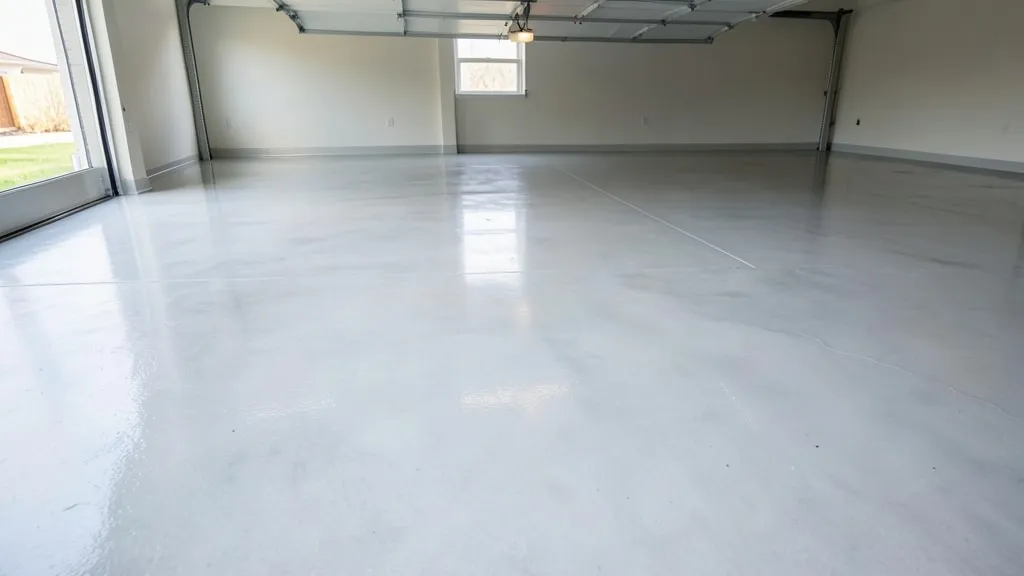
A pool deck takes a beating from Florida’s sun, salt air, and constant foot traffic. Over time, grime, algae, and discoloration build up, making it slippery and unsightly. We’ll walk you through the right way to pressure wash it—without damaging the surface or your pool’s chemistry.
Why Pool Decks in Our Area Need Regular Cleaning
Palmetto’s humid climate and proximity to the Gulf mean pool decks accumulate mold, mildew, and salt residue faster than in drier regions. Regular cleaning prevents slip hazards and extends the life of your deck’s material.
Saltwater pools add another layer of challenge. Chlorine and salt can etch concrete or degrade pavers if left unchecked. A thorough wash removes these corrosive elements before they cause permanent damage.
Know Your Deck Material: What’s Safe to Pressure Wash
Not all pool decks handle high pressure the same. Concrete, brick, and most pavers can take 2,500–3,500 PSI, but travertine, flagstone, or stained surfaces need a gentler touch—often under 1,500 PSI with a wide-angle nozzle.
| Material | PSI Range | Nozzle Tip | Notes |
|---|---|---|---|
| Concrete (Unsealed) | 2,500–3,500 PSI | 25° or 40° | Use a surface cleaner for even results |
| Pavers (Interlocking) | 2,000–2,800 PSI | 25° | Avoid lifting sand between joints |
| Travertine/Flagstone | 800–1,500 PSI | 40° or 65° | Test in a small area first; may need soft wash |
| Stamped/Colored Concrete | 1,500–2,200 PSI | 40° | Lower PSI prevents color fading |
| Wood (Composite or PT) | 1,200–1,500 PSI | 40° | Keep nozzle 12–18" away to avoid etching |
Prep Work: Protect Your Pool and Surroundings
Cover the pool with a tarp or plastic sheeting to prevent debris, chemicals, or dislodged grime from entering the water. This also protects skimmers and filters from clogs.
Move furniture, planters, and pool toys out of the way. If they can’t be relocated, cover them with drop cloths. Saltwater or chlorine residue on metal can cause rust.
Wet down nearby plants and grass with a garden hose. This dilutes any cleaning solutions that may overspray and prevents chemical burn.
Never pressure wash directly into the pool. Even diluted detergents can disrupt pH balance and require costly water treatment.
Choosing the Right Cleaning Solution
For organic stains like algae or mildew, a mix of water and sodium hypochlorite (bleach) at a 10:1 ratio works well. Apply with a pump sprayer, let dwell for 5–10 minutes, then rinse.
Oil or sunscreen stains? Use a degreaser designed for pressure washers. Avoid harsh acids on natural stone—they can etch the surface permanently.
In areas like Ellenton or Bradenton, where hard water is common, a chelating agent helps break down mineral deposits before washing.
For stubborn salt stains on decks near Terra Ceia or Rubonia, pre-treat with a vinegar solution (1:1 with water) before pressure washing.
Pressure Washing Technique: The Right Way to Clean
Start at the farthest corner from the pool and work your way toward it. This prevents walking on freshly cleaned (and slippery) surfaces.
Hold the wand 12–18 inches from the deck and use smooth, overlapping strokes. Keep the nozzle moving to avoid creating etch marks or streaks.
For textured surfaces like broom-finished concrete, a surface cleaner attachment ensures even pressure distribution and faster cleaning.
Post-Wash Steps: Sealing and Maintenance
Let the deck dry completely—usually 24–48 hours in our humidity. Then inspect for cracks or damaged grout. Repair these before sealing.
Applying a penetrating sealer every 2–3 years protects against UV damage, salt, and moisture. For pavers, re-sand the joints after cleaning to maintain stability.
In neighborhoods like Parrish, where dust from nearby construction is common, more frequent sealing may be needed to keep the deck looking fresh.
Common Mistakes to Avoid
Using too much pressure can cause damage. Etched concrete or pitted pavers are costly to repair. Always start low and test.
Skipping the pre-wash can drive dirt deeper into the surface. A quick sweep and pre-treatment with detergent lifts grime before the high-pressure rinse.
Ignoring the pool’s edge can lead to water intrusion behind coping stones. Angle the wand away from the pool structure to prevent erosion.
Pre-Wash Safety Check
- Inspect deck for loose pavers or cracks
- Cover pool, furniture, and plants
- Wear closed-toe shoes and eye protection
- Check pressure washer oil and fuel levels
- Test detergent on a small area first
When to Call in the Pros
If your deck has deep stains, efflorescence, or requires soft washing (common with delicate stone), our team has the equipment and expertise to handle it safely.
Commercial properties or large residential decks in areas like Bradenton often benefit from our high-capacity machines, which cut cleaning time in half.
We also offer bundled services—like combining pool deck washing with driveway or fence cleaning—to save you time and hassle.
How to Pressure Wash Your Pool Deck Safely
Follow these steps to restore your deck without causing damage.
- 1Clear and Cover the Area
Remove all furniture, toys, and debris. Cover the pool, plants, and any nearby structures with tarps or plastic sheeting.
- 2Pre-Treat Stains
Apply a suitable cleaning solution (bleach for organics, degreaser for oils) and let it dwell for 5–10 minutes. Scrub stubborn spots with a stiff brush.
- 3Set Up Your Pressure Washer
Use the correct PSI and nozzle for your deck material. Attach a surface cleaner for large, flat areas. Fill the detergent tank if using a soap nozzle.
- 4Wash in Sections
Start at the farthest corner and work toward the pool. Use consistent, overlapping strokes, keeping the wand 12–18 inches from the surface.
- 5Rinse Thoroughly
Switch to a clean water rinse and remove all detergent residue. Pay extra attention to edges and joints.
- 6Inspect and Dry
Check for missed spots or damage. Allow the deck to dry completely (24–48 hours) before sealing or heavy use.
Frequently Asked Questions
How often should I pressure wash my pool deck in Palmetto?
We recommend a deep clean every 6–12 months, depending on usage and exposure. Decks near the coast or with heavy use may need it twice a year. Regular sweeping and spot cleaning extend the time between washes.
Can I use a pressure washer on a screened pool enclosure?
Yes, but with caution. Use a low PSI (under 1,200) and a wide-angle nozzle to avoid damaging screens or frames. It’s often safer to hand-wash enclosure surfaces and reserve pressure washing for the deck itself.
How can I remove black algae from my pool deck?
Black algae is tough but treatable. Pre-treat with a 50/50 mix of bleach and water, let it sit for 10–15 minutes, then pressure wash. For severe cases, a second application may be needed. Avoid wire brushing, which can spread spores.
Will pressure washing remove the sealer from my deck?
High pressure can strip or degrade sealers, especially if they’re old or poorly applied. Use the lowest effective PSI and a wide nozzle. If the sealer is peeling, it’s best to remove it completely and reapply after cleaning.
Do you service pool decks in Ellenton or Parrish?
Absolutely. We serve Palmetto and the surrounding areas, including Ellenton, Parrish, Bradenton, and Terra Ceia. Our team is familiar with the local climate and common deck materials in these neighborhoods.
Is it safe to pressure wash a deck with a saltwater pool?
Yes, but extra care is needed. Salt residue can corrode equipment and etch surfaces. Rinse the deck thoroughly after washing to remove all salt and cleaning solutions. Consider a post-wash fresh water rinse for the pool area as well.