The Science Behind Efflorescence: Why It Happens on Palmetto Sidewalks
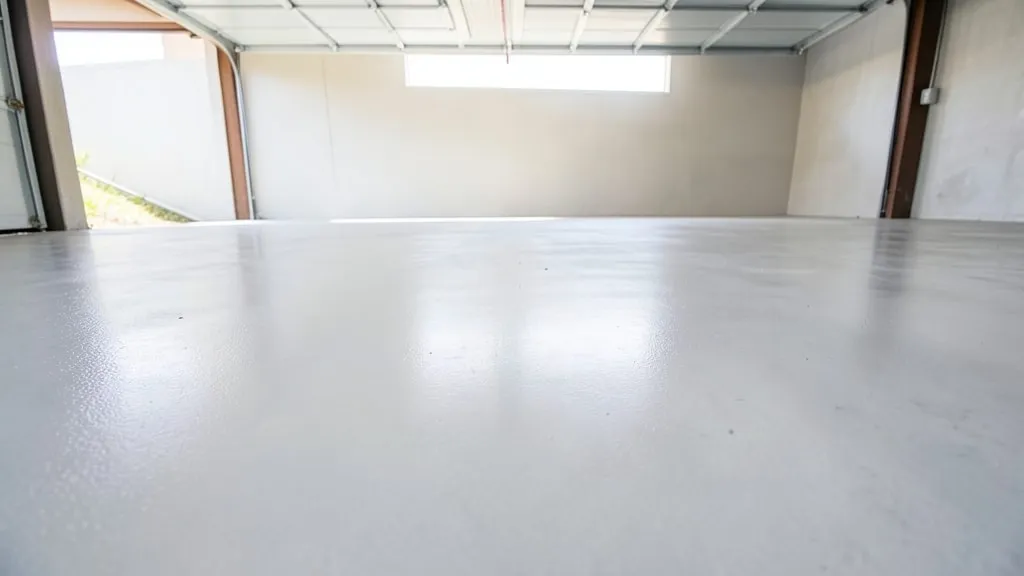
That white, chalky stain on your sidewalk isn’t just an eyesore—it’s a chemical reaction. Efflorescence is nature’s way of pushing dissolved minerals to the surface as water evaporates, and in our humid Florida climate, it’s a common sight. We’ll break down the science and how to tackle it safely.
What Is Efflorescence, Exactly?
Efflorescence is a crystalline deposit of salts that migrates through concrete, brick, or stucco as water moves to the surface and evaporates. What’s left behind are those unsightly white streaks or patches.
It’s not mold, mildew, or paint—it’s purely mineral-based. The most common culprits are calcium, sodium, and potassium salts, all naturally present in masonry materials.
Why Palmetto Sidewalks Are Prone to It
Our region’s high humidity and frequent rain create the perfect storm for efflorescence. Water absorbs into porous concrete, dissolves soluble salts, then wicks to the surface as temperatures rise.
Newer sidewalks in Ellenton or Parrish often show it first because the materials haven’t fully cured. Older slabs can develop it if water pools due to poor drainage or nearby irrigation.
While efflorescence itself doesn’t damage concrete, it signals excess moisture—something that *can* weaken structures over time if unaddressed.
Primary vs. Secondary Efflorescence
Primary efflorescence comes from salts *within* the concrete mix. It usually appears within the first year and fades as the material ages and salts deplete.
Secondary efflorescence is the recurring kind. It’s fed by external sources like groundwater, de-icing salts, or even fertilizers from nearby Bradenton lawns. This type keeps coming back without intervention.
| Type | Source | Timing | Recurrence |
|---|---|---|---|
| Primary | Salts in the concrete mix | Early (first 12 months) | One-time or fading |
| Secondary | External water/salts (ground, fertilizers, etc.) | Any age | Recurring without treatment |
The Role of Florida’s Climate
Warm days and cool nights accelerate evaporation, pulling more salts to the surface. Our sandy soil doesn’t help—it drains quickly, but dissolved minerals still hitch a ride upward through capillary action.
In Rubonia or Terra Ceia, proximity to water tables or brackish conditions can introduce additional salts, making efflorescence even more stubborn.
Can You Prevent Efflorescence?
Prevention starts with quality materials. Using low-alkali cement and proper water-to-cement ratios reduces soluble salts in new pours. For existing sidewalks, improving drainage is key—grade away from slabs and fix standing water issues.
Sealants can help, but they’re not foolproof. A penetrating silane or siloxane sealer slows water absorption, but it won’t stop efflorescence if moisture is already trapped inside.
Prevention Checklist
- Use low-alkali cement in new concrete
- Ensure proper slope for drainage
- Apply a breathable concrete sealer
- Avoid overwatering nearby landscaping
- Inspect for cracks or spalling annually
Why DIY Cleaning Often Fails
Scrubbing with water or household cleaners might remove surface salts temporarily, but it doesn’t address the source. Worse, high-pressure DIY washing can etch concrete or drive water *deeper*, worsening the problem later.
Acidic cleaners like vinegar or muriatic acid can dissolve efflorescence but risk damaging the concrete’s surface or altering its pH, leading to more issues down the line.
Improper acid use can cause burns, discoloration, or weaken the concrete. Always test a small area first and wear protective gear.
How Professional Pressure Washing Helps
We use a combination of low-pressure washing and specialized detergents to lift efflorescence without harming the substrate. For stubborn cases, a soft wash technique—common in roof washing—can safely break down deposits without the risk of surface damage.
Post-cleaning, we often apply a pH-balanced neutralizer to restore the concrete’s natural state. This step is critical in areas like Bradenton or Ellenton, where mineral content in water is higher.
When to Call in the Pros
If efflorescence covers more than 20% of your sidewalk, or if it keeps returning after cleaning, it’s time for professional help. We’ll assess whether the issue is cosmetic or tied to deeper moisture problems in the slab or surrounding soil.
For commercial properties in Parrish or Terra Ceia, regular pressure washing maintenance can prevent buildup before it becomes a liability or safety hazard.
How to Test for Efflorescence Before Cleaning
A simple test can confirm whether that white stain is efflorescence or something else.
- 1Dampen the Area
Lightly spray water on the stained section. Efflorescence will often dissolve or fade temporarily when wet.
- 2Let It Dry
Wait 10–15 minutes. If the stain reappears as the water evaporates, it’s likely efflorescence.
- 3Tape Test
Press a piece of clear tape over the dry stain, then pull it off. Efflorescence salts will stick to the tape.
- 4pH Strip Test
Dampen a pH strip with water and press it to the stain. Efflorescence typically registers as alkaline (pH 8–10).
- 5Compare to Known Samples
If unsure, compare the stain to photos of confirmed efflorescence. Mold or paint will look and behave differently.
Frequently Asked Questions
Is efflorescence harmful to my sidewalk in Palmetto?
No, efflorescence itself doesn’t damage concrete. However, it’s a sign of excess moisture, which *can* lead to cracking or spalling over time if not addressed. Regular cleaning and proper drainage help mitigate the underlying issue.
Why does efflorescence keep coming back after I clean it?
Recurring efflorescence usually means there’s a continuous source of moisture and salts—like groundwater, poor drainage, or external contaminants. Professional cleaning paired with sealants or drainage fixes can break the cycle.
Can I use a pressure washer to remove efflorescence myself?
You can, but it’s risky. DIY pressure washing often uses too much PSI, which can etch concrete or force water deeper into the slab. We use calibrated equipment and detergents designed to lift deposits without causing damage.
Does efflorescence affect driveways and patios too?
Absolutely. Driveways, patios, and even brick or stucco walls in Ellenton or Bradenton are just as susceptible. The same principles apply: moisture + soluble salts = efflorescence. Our driveway and concrete cleaning services tackle it effectively.
What’s a way to prevent efflorescence on new concrete?
Start with a low-alkali cement mix and proper curing. After installation, apply a breathable sealer once the concrete is fully cured (usually 28 days). In high-moisture areas like Terra Ceia, consider a vapor barrier under the slab to reduce groundwater intrusion.
Will sealing my sidewalk stop efflorescence for good?
Sealing slows moisture absorption, which can reduce efflorescence, but it’s not a permanent fix. If salts are already present in the concrete or coming from external sources, they’ll still find a way to the surface. Regular cleaning and reapplying sealer every few years is key.