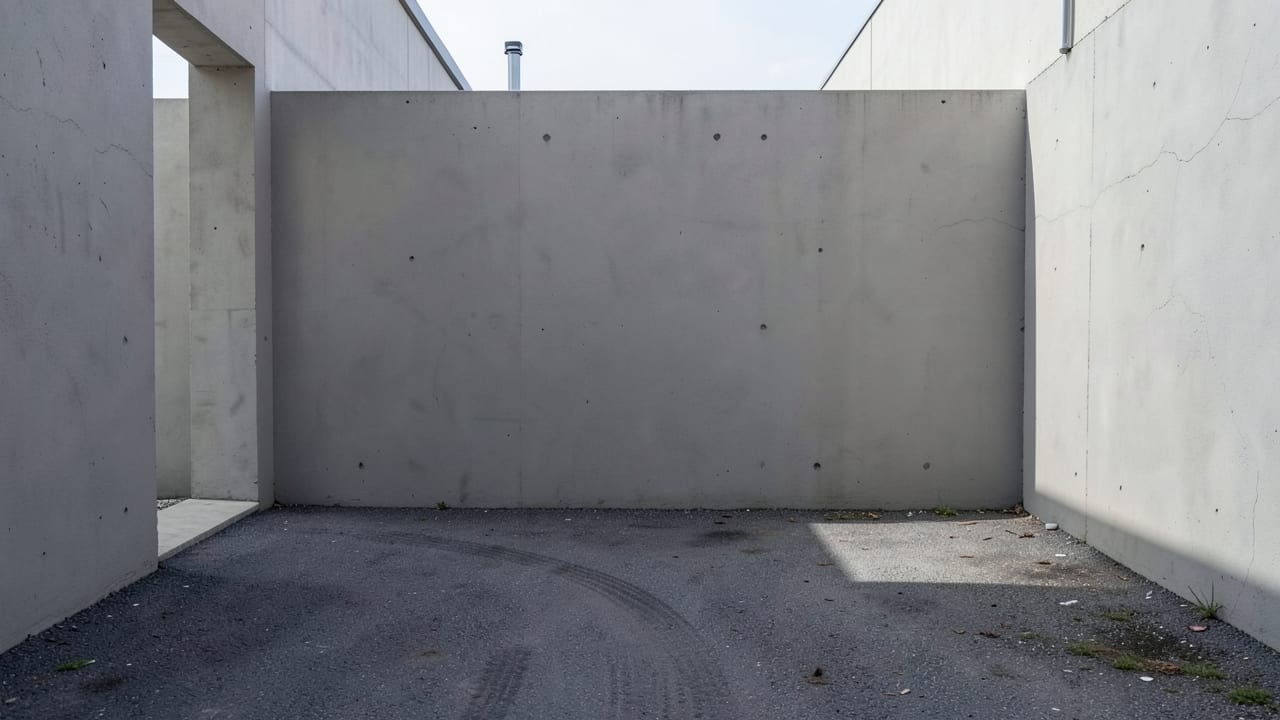
Graffiti Removal
Graffiti removal from exterior walls and surfaces in Palmetto, FL.
Graffiti removal in Palmetto, FL, restores your property’s appearance quickly and safely. Our pressure washing service targets fresh or cured graffiti on brick, stucco, or painted walls, using surface-specific techniques to lift paint without damage. Early action improves results—call as soon as you notice vandalism.
Why Surface Type Matters for Graffiti Removal
Brick and stucco are porous, absorbing paint and marker deep into the material. This makes removal harder than on smooth, sealed surfaces like painted walls, which often release graffiti with standard pressure washing alone.
We also handle Playground Equipment Cleaning and Boat Dock Cleaning for Palmetto properties.
Older or multiple layers of graffiti may leave a faint 'ghosting' shadow, especially on porous surfaces. We disclose this upfront so you know what to expect. The key is matching pressure and cleaning solutions to the surface to avoid etching or pitting.
| Surface Type | Removal Approach | Risk of Ghosting |
|---|---|---|
| Brick | Low-pressure wash + graffiti-safe chemical | High |
| Stucco | Gentle pressure + chemical pre-treatment | High |
| Painted Walls | Standard pressure wash (if fresh) | Low |
When to Call for Graffiti Removal
Time is critical. Fresh graffiti lifts more easily, often with pressure washing alone. The longer paint or marker sits, the more it bonds to porous surfaces like brick or stucco.
Signs It's Time to Call for Removal
- Graffiti appears on your home, fence, or commercial property
- Paint or marker is visible on brick, stucco, or painted walls
- You notice fading but persistent 'ghosting' from past vandalism
How Graffiti Removal Works
Our process ensures safe, effective removal tailored to your surface.
- 1Inspection
We assess the surface type, age of the graffiti, and extent of the damage to determine an appropriate approach.
- 2Chemical Pre-Treatment
A graffiti-safe solution is applied to break down the paint or marker before washing.
- 3Pressure Washing
We use surface-specific pressure levels—low for brick/stucco, standard for painted walls—to lift the graffiti without damage.
- 4Final Inspection
We check for any remaining residue or ghosting and disclose results honestly.
Frequently Asked Questions
How quickly should I call after noticing graffiti?
Call as soon as possible. Fresh graffiti is easier to remove, often with just pressure washing. The longer it sits, the harder it bonds to porous surfaces.
Will graffiti removal damage my brick or stucco?
Not with the right approach. We use low pressure and graffiti-safe chemicals tailored to porous surfaces to avoid etching or pitting.
Can you remove all traces of graffiti?
Most of the time, yes—but older or multiple layers may leave faint ghosting, especially on brick or stucco. We’ll let you know upfront.
How is the cost determined?
Pricing depends on the surface type, area affected, and age of the graffiti. We provide a quote after inspecting your property.
See Lakewood Ranch, FL for more, or explore everything on offer in Palmetto by category for our complete lineup.
Ready to get started?
Talk to a local pressure washing pro in Palmetto — get a written quote.
Other Pressure Washing Services in Palmetto
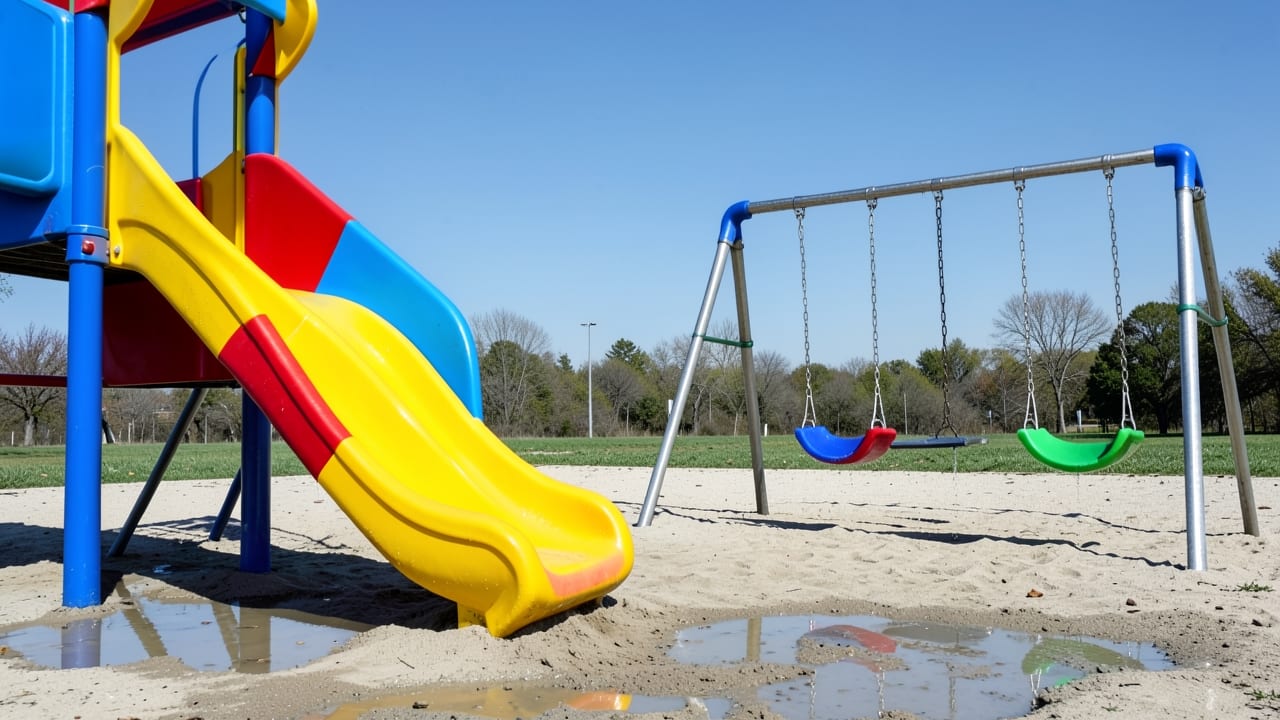
Playground Equipment Cleaning in Palmetto, FL
Pressure washing to remove dirt, grime, and mold from playground equipment for safety and hygiene.
Learn More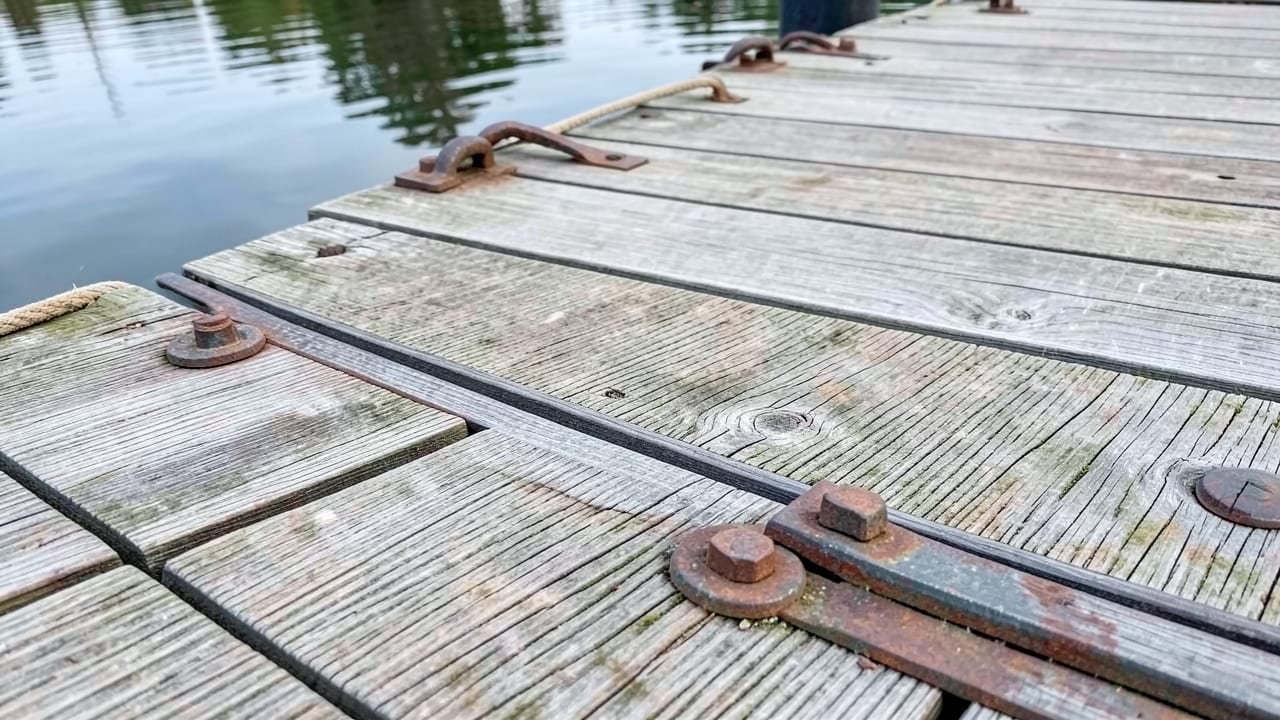
Boat Dock Cleaning in Palmetto, FL
Pressure washing to remove algae, grime, and debris from boat docks and surrounding areas.
Learn More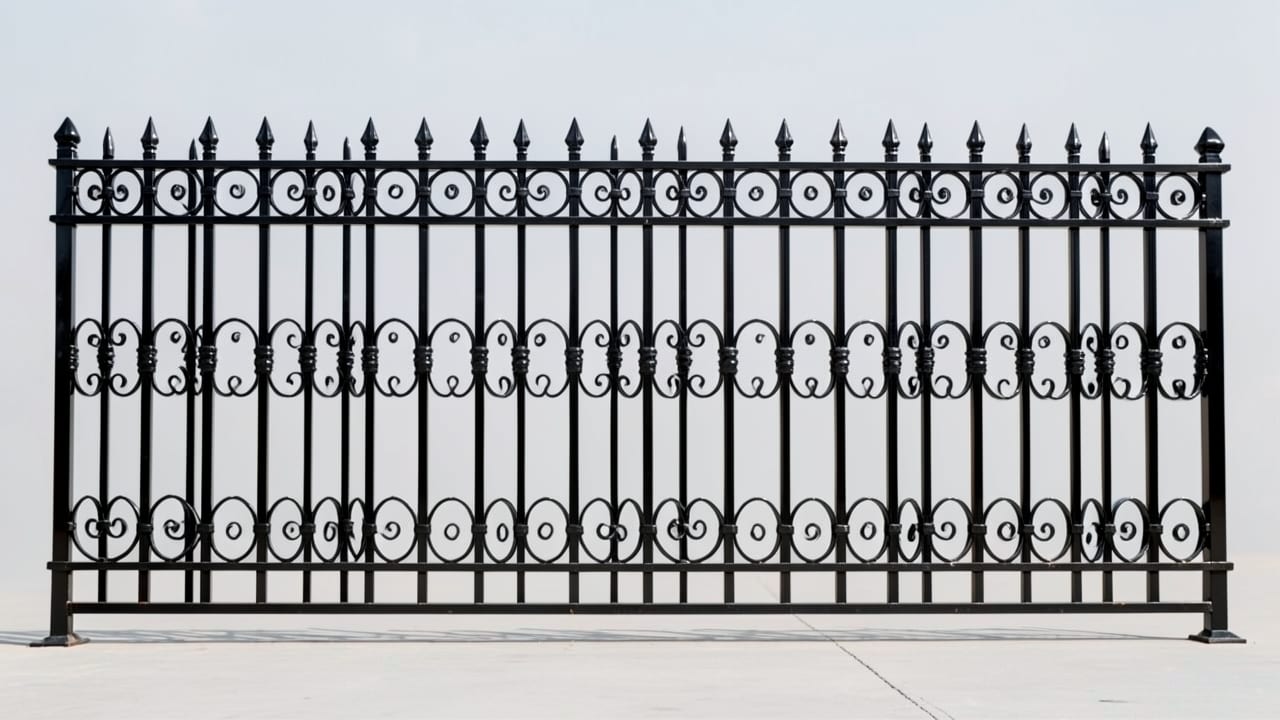
Metal Fence Cleaning in Palmetto, FL
High-pressure washing to remove dirt, rust, and stains from metal fences for restored appearance.
Learn More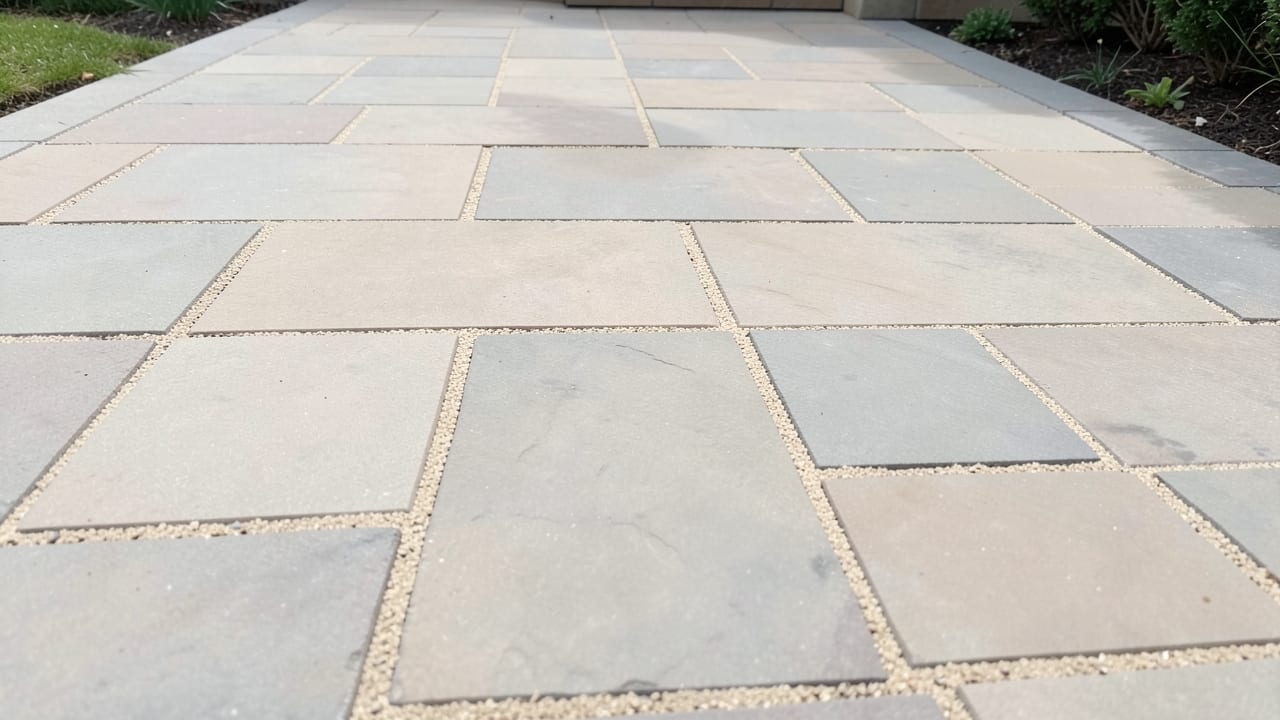
Stone Patios Cleaning in Palmetto, FL
High-pressure washing to remove dirt, stains, and grime from stone patio surfaces.
Learn More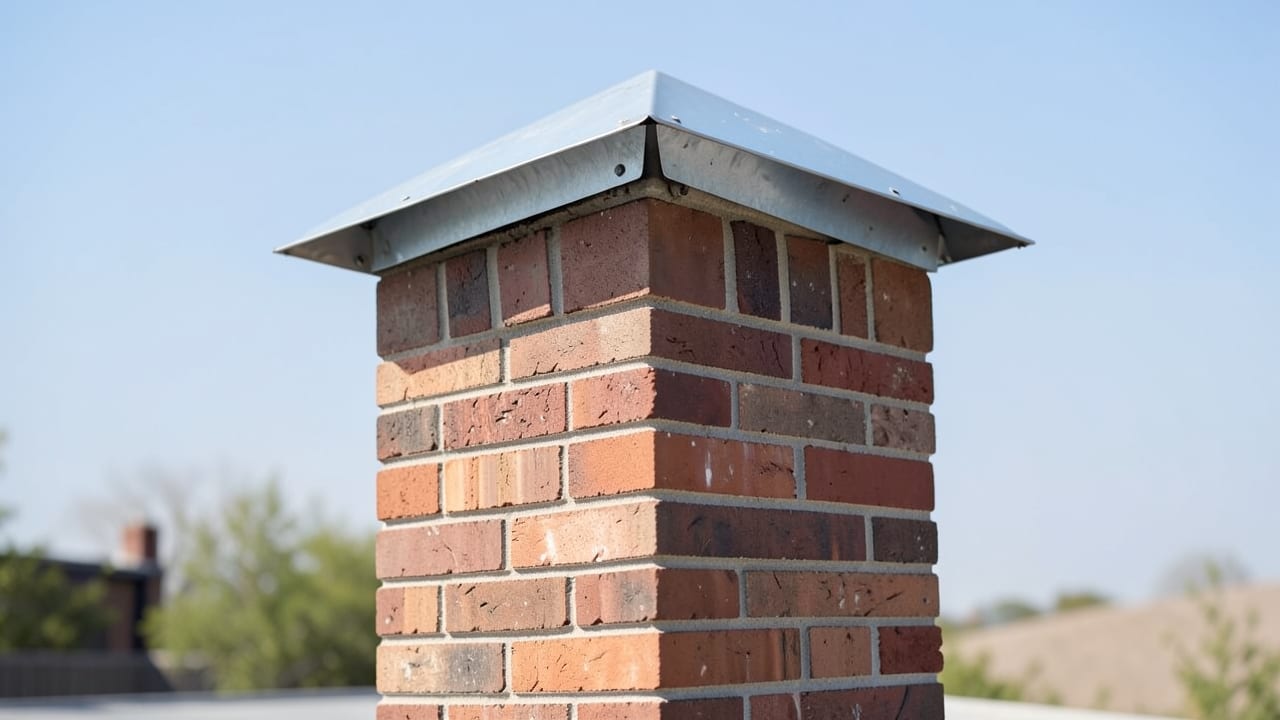
Chimney Exterior Cleaning in Palmetto, FL
Pressure washing to remove soot, dirt, and stains from chimney exteriors.
Learn More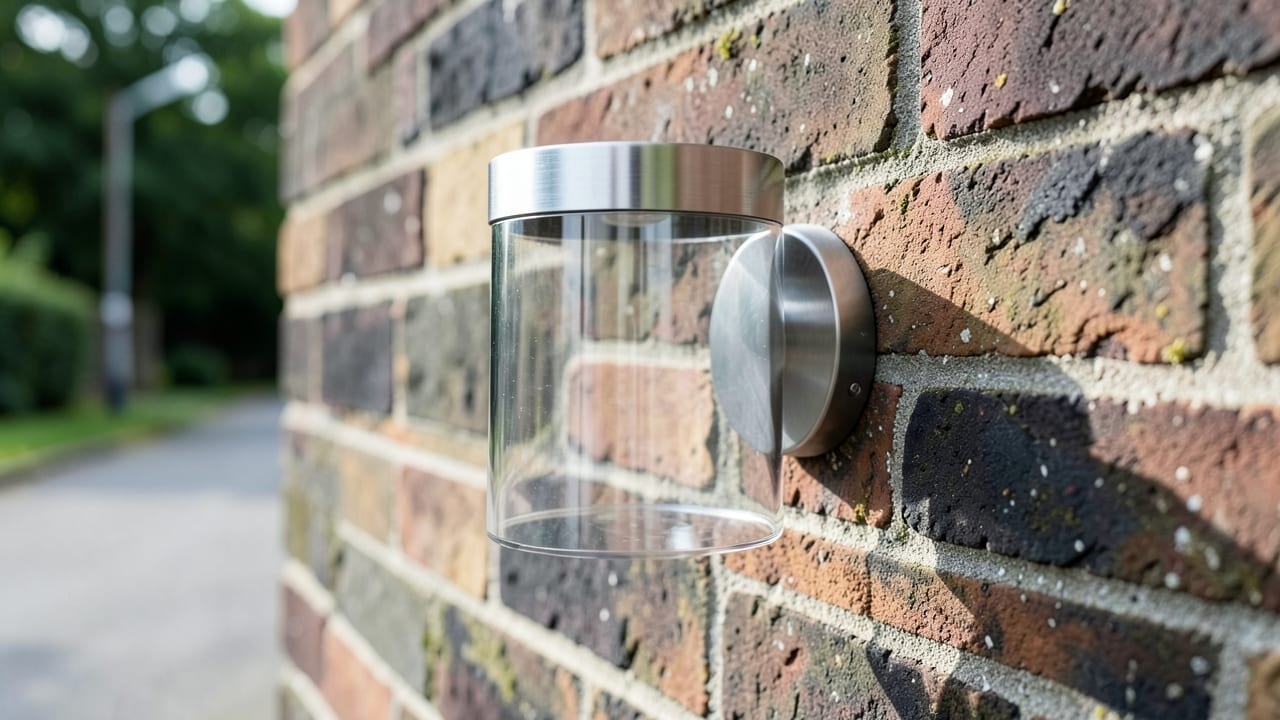
Exterior Light Fixture Cleaning in Palmetto, FL
Professional cleaning of outdoor light fixtures to remove dirt, grime, and debris using pressure washing.
Learn MoreCommon Questions About Pressure Washing in Palmetto
Everything you need to know about pressure washing services in Palmetto
How much does Graffiti Removal typically cost in Palmetto, FL?
Why does algae and mildew growth on homes in Palmetto, FL come back so quickly?
What are the actual named steps in a professional pressure washing job?
Can the wrong PSI actually damage a house or driveway?
What's the actual difference between pressure washing and soft washing?
How often should a home's exterior actually be washed?
Need Pressure Washing in Palmetto?
Get a written quote from our Palmetto crew.
⏰ We answer your call • Serving all of Palmetto and surrounding areas