Pressure Washing vs Power Washing for Delicate Surfaces in Palmetto
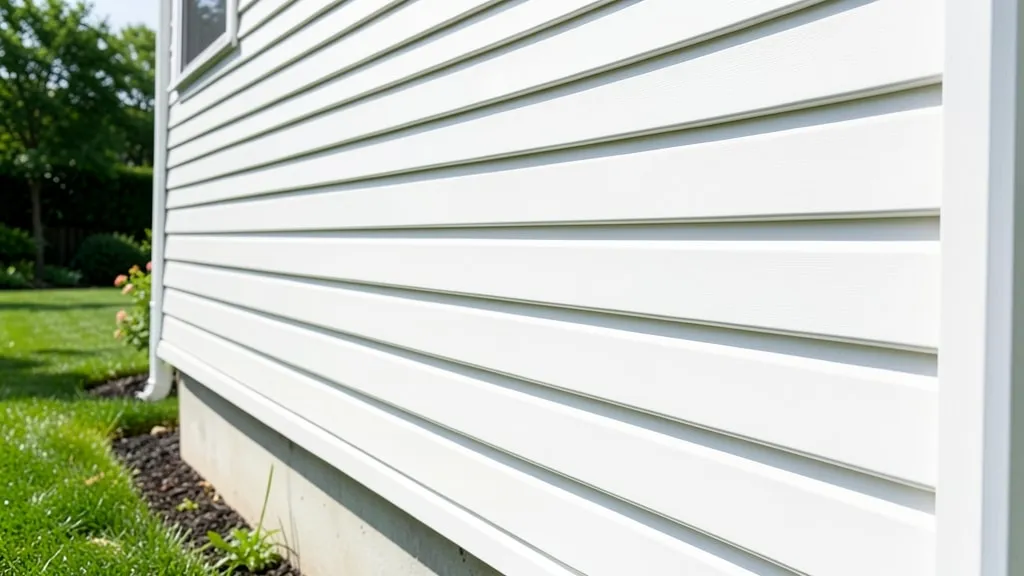
Homeowners in our area often ask: what’s the difference between pressure washing and power washing, and which is safe for delicate surfaces? The answer hinges on heat, pressure, and technique—especially with Palmetto’s humidity and salt air accelerating grime buildup on siding, decks, and roofs.
Understanding the Core Difference
Pressure washing uses cold water at high PSI to blast away dirt, while power washing adds heat to the equation. That temperature boost helps break down oils, grease, and organic stains more effectively.
For delicate surfaces like wood decks, stucco, or vinyl siding, heat can be a double-edged sword. It speeds up cleaning but risks warping or discoloration if not carefully controlled.
Why Delicate Surfaces Need a Gentle Approach
Palmetto’s climate fosters rapid mold, mildew, and algae growth—especially on north-facing walls and shaded decks. These contaminants cling tightly but can be removed without damage using the right method.
Soft wash systems, a subset of pressure washing, use low PSI (often under 1,000) combined with specialized detergents to lift grime without etching or stripping surfaces.
Never exceed 1,500 PSI on wood or 1,200 PSI on vinyl. Even then, always test a small area first. Damage from excessive pressure is often irreversible.
Pressure Washing: Cold Water, High Impact
Standard pressure washers rely on sheer force, typically 1,500–4,000 PSI. They’re ideal for concrete driveways in Ellenton or Bradenton, where durability isn’t a concern.
For delicate work, we switch to wider-angle nozzles (25–40 degrees) and increase the distance from the surface. This reduces impact while maintaining cleaning power.
Power Washing: Heat Meets Pressure
Power washers heat water to 140–200°F, which is excellent for oil stains on driveways or heavy mold on fences. The heat loosens contaminants, so less pressure is needed.
However, on cedar shakes or painted surfaces in Parrish or Terra Ceia, the heat can lift paint or cause wood fibers to rise. Always verify material compatibility first.
| Surface | Recommended Method | PSI Range | Notes |
|---|---|---|---|
| Vinyl Siding | Pressure Washing (Soft Wash) | 500–1,200 PSI | Use a 25–40° nozzle; avoid direct heat |
| Wood Deck | Pressure Washing (Soft Wash) | 500–1,500 PSI | Pre-treat with detergent; keep nozzle moving |
| Concrete Driveway | Power Washing | 2,000–4,000 PSI | Heat helps with oil stains; use a surface cleaner |
| Stucco | Pressure Washing (Soft Wash) | 500–1,000 PSI | Never use power washing; risk of pitting |
| Roof Shingles | Soft Wash Only | 200–600 PSI | Low pressure + bleach solution; no heat |
| Fence (Wood) | Pressure Washing | 800–1,200 PSI | Test a small area; avoid power washing |
When Soft Wash Is the Only Safe Choice
For roofs, cedar siding, or aged paint, soft wash is non-negotiable. It combines low pressure with sodium hypochlorite or other cleaners to kill algae and mold at the root.
This method is standard for roof washing in Rubonia and nearby areas, where salt air accelerates biological growth. It’s also the go-to for gutter cleaning to avoid denting or misaligning seams.
Apply a detergent or degreaser 10–15 minutes before washing. This loosens grime, reducing the pressure needed—critical for delicate materials.
Local Factors That Influence Your Choice
Palmetto’s proximity to Tampa Bay means salt spray can etch glass and corrode metal fixtures faster. Regular cleaning with the right method prevents long-term damage.
In neighborhoods with older homes, like parts of Bradenton or Ellenton, aged materials may require even gentler techniques. Always inspect for cracks, peeling paint, or rot before starting.
Equipment and Technique Matter Most
The wand, nozzle, and detergent are just as important as the machine. For example, a surface cleaner attachment distributes pressure evenly, ideal for driveways but useless for vertical surfaces.
Our team uses variable PSI machines and interchangeable nozzles to adapt on the fly. For commercial pressure washing in Terra Ceia, we might switch between methods in a single job.
Pre-Wash Inspection Checklist
- Check for loose paint, cracks, or rot
- Identify surface material (wood, vinyl, stucco, etc.)
- Note any previous damage or repairs
- Test a small, hidden area with your chosen method
- Clear the area of furniture, plants, or debris
- Ensure proper drainage to avoid water pooling
How to Pressure Wash a Wood Deck Safely
Wood decks require a balanced approach to remove grime without damaging the fibers.
- 1Prep the Surface
Sweep off loose debris and pre-treat with a deck cleaner. Cover nearby plants to protect them from detergent runoff.
- 2Choose the Right Nozzle
Use a 25–40° nozzle and set the PSI between 500–1,200. A wider spray pattern reduces the risk of gouging the wood.
- 3Keep the Wand Moving
Hold the wand 12–18 inches from the surface and keep it in constant motion. Never linger in one spot.
- 4Work in Sections
Clean in manageable sections, following the wood grain. Overlap slightly to avoid streaks.
- 5Rinse and Inspect
Rinse thoroughly with clean water. Inspect for any damage or missed spots, and touch up as needed.
Frequently Asked Questions
Can power washing damage my vinyl siding in Palmetto?
Yes, the heat from power washing can warp or discolor vinyl siding. Stick to pressure washing with a soft wash approach and keep the PSI under 1,200.
Is soft wash safe for all roof types?
Soft wash is safe for most roofs, including asphalt shingles and metal. However, it’s not recommended for flat roofs with membrane systems—consult a professional for those.
How often should I pressure wash my home’s exterior?
In our climate, once a year is ideal for most homes. Properties near the water or in high-humidity areas like Rubonia may need it twice a year to combat mold and salt buildup.
How can you clean a concrete driveway with oil stains?
Power washing with hot water is the most effective for oil stains. Use a surface cleaner attachment and a degreaser pre-treatment for best results.
Do I need a permit for pressure washing my home in Palmetto?
Generally, no permit is required for residential pressure washing. However, if you’re doing commercial work or using chemicals that require disposal, check local regulations.
Can I pressure wash my own gutters?
It’s possible, but risky. Gutters can dent or detach under high pressure. For safety and effectiveness, consider professional gutter cleaning with a soft wash method.