The Silent Threat of Concrete Spalling and How to Prevent It in Palmetto
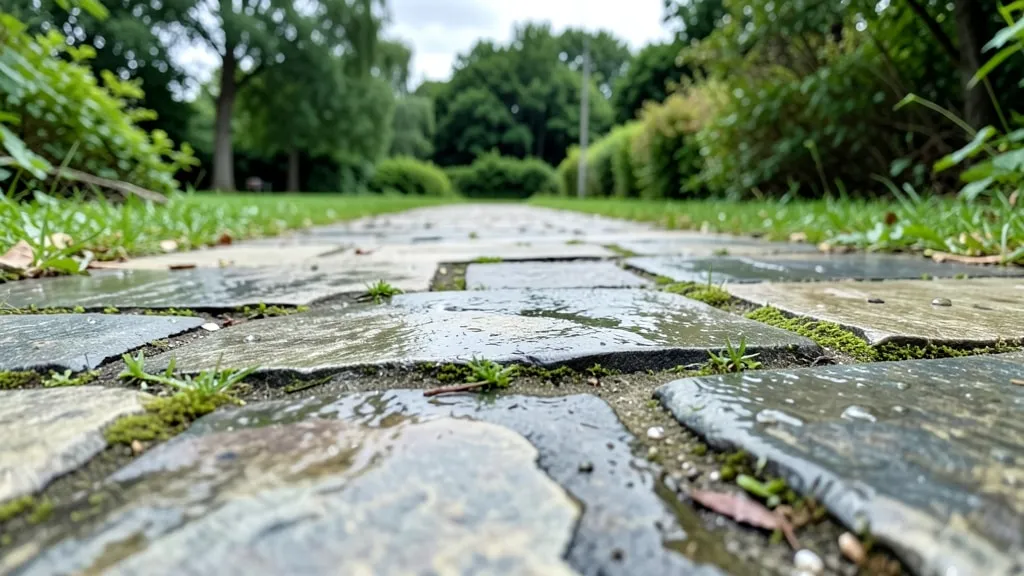
Concrete spalling doesn’t announce itself—it starts as hairline cracks, then flakes, then chunks break away. In our coastal Florida climate, salt air and humidity accelerate the damage. We see it daily on driveways, sidewalks, and patios in Palmetto, Ellenton, and Bradenton. Left unchecked, it’s not just an eyesore; it’s a safety hazard and a costly repair.
What Is Concrete Spalling and Why Does It Happen?
Spalling is the breakdown of concrete at the surface, often exposing the aggregate beneath. It begins when moisture penetrates the slab, then expands as it freezes or reacts with salts—common in areas like Palmetto where marine air and seasonal temperature swings stress the material.
Rebar corrosion is another culprit. When steel inside the concrete rusts, it expands, pushing the surface outward. This is especially risky in older driveways or commercial lots where de-icing salts or poor drainage have taken a toll.
Florida’s Unique Spalling Triggers
Our region’s high humidity and salt spray from Tampa Bay and the Gulf speed up deterioration. Porous concrete soaks up moisture like a sponge, then the cycle of heat and occasional cold (yes, even here) causes micro-fractures.
In neighborhoods near the Manatee River or in Rubonia, saltwater intrusion is a year-round threat. Even inland in Parrish or Terra Ceia, irrigation water with high mineral content can leave deposits that weaken the surface over time.
Salt damage is cumulative. Once it starts, it doesn’t stop without intervention—even in mild winters.
Early Signs You Might Be Missing
Small pits or rough patches underfoot are the first red flags. You might also notice white, chalky efflorescence—a sign moisture is moving through the slab and leaving mineral deposits behind.
Uneven surfaces or areas that sound hollow when tapped often mean delamination. By the time you see large flakes or exposed rebar, the damage is advanced and repair costs climb fast.
Spotting Spalling Early
- Pitted or rough texture on concrete surfaces
- White, powdery residue (efflorescence)
- Hollow sound when tapping the slab
- Visible cracks wider than a credit card
- Loose aggregate or sand-like material on the surface
How Pressure Washing Helps Prevent Spalling
Regular cleaning removes the contaminants that accelerate spalling. Salt, dirt, and organic growth trap moisture against the concrete. Our team uses the right PSI and techniques—never exceeding 3,000 PSI for residential concrete—to strip away these threats without damaging the surface.
For softer or older concrete, we switch to a gentle soft wash. This method lifts stains and salts while preserving the integrity of the slab, which is critical for driveways in Ellenton or commercial lots in Bradenton where traffic is heavy.
Pressure Washing vs. DIY: What’s the Risk?
Renting a pressure washer and blasting your driveway might seem simple, but too much pressure or the wrong nozzle can etch the surface, creating tiny grooves that hold water and speed up spalling.
We’ve seen DIY jobs in Palmetto where homeowners used 4,000+ PSI on aged concrete, only to find new cracks within months. Professional equipment and training ensure the job cleans without causing harm.
| Method | PSI Range | Best For | Risk if Misused |
|---|---|---|---|
| Soft Wash | 500–1,200 PSI | Older or decorative concrete, efflorescence removal | Minimal; may require multiple passes |
| Standard Pressure Wash | 1,500–3,000 PSI | Driveways, sidewalks, patios | Surface etching or pitting |
| High-Pressure Wash | 3,500+ PSI | Industrial floors, heavy stain removal | Deep damage, aggregate exposure |
Sealing: The Critical Next Step After Cleaning
Cleaning removes the threats, but sealing locks them out. A quality penetrating sealer fills the pores of the concrete, blocking moisture, salts, and oils. For driveways in high-traffic areas like Terra Ceia, we recommend a breathable silane or siloxane sealer that won’t trap vapor inside.
Sealers aren’t forever. In our climate, they typically last 2–5 years, depending on sun exposure and foot or vehicle traffic. Reapplying on schedule is key to long-term spalling prevention.
Apply sealer only after the concrete is fully dry—usually 24–48 hours post-wash. Rushing this step can trap moisture and do more harm than good.
When to Call in the Pros for More Than Cleaning
If spalling has already started, cleaning and sealing can slow the spread, but damaged areas may need repair. Small patches can be filled with a concrete resurfacer, while larger sections might require full slab replacement.
For commercial properties in Bradenton or Parrish, we often coordinate with concrete contractors to restore surfaces before applying protective treatments. Catching it early saves thousands in full-depth repairs.
How to Maintain Your Concrete Between Professional Cleanings
A little upkeep goes a long way in extending the life of your concrete.
- 1Sweep Regularly
Remove dirt and debris weekly to prevent moisture retention. A stiff broom or leaf blower works well for driveways and sidewalks.
- 2Address Spills Fast
Oil, gas, or chemical spills can break down concrete over time. Blot them immediately with an absorbent cloth, then rinse with water.
- 3Check Drainage
Ensure downspouts and gutters direct water away from concrete surfaces. Standing water is a primary spalling accelerant.
- 4Inspect for Cracks
Walk your property quarterly. Seal small cracks (under 1/4-inch wide) with a concrete filler to prevent water intrusion.
- 5Rinse After Salt Exposure
If you live near the coast or use de-icing salts, rinse concrete surfaces with fresh water to remove residual salts.
Frequently Asked Questions
Can pressure washing fix existing spalling?
No, pressure washing removes contaminants and prepares the surface, but it won’t repair spalled areas. Those require patching or resurfacing. Cleaning does, however, prevent further damage by eliminating the causes of spalling.
How often should I pressure wash my driveway in Palmetto?
For most homes, a professional cleaning every 12–18 months is ideal. In high-exposure areas near the water or with heavy vehicle traffic, we recommend annually. Always follow up with a sealer for maximum protection.
Is soft washing safe for all concrete surfaces?
Soft washing is the safest method for older, decorative, or previously damaged concrete. It’s also ideal for surfaces with efflorescence or delicate finishes. For newer, high-strength concrete, standard pressure washing may be suitable—but always with the correct PSI and nozzle.
What’s the difference between spalling and scaling?
Spalling is the breaking away of concrete pieces, often due to internal forces like rebar corrosion or freeze-thaw cycles. Scaling is a surface-level flaking, usually caused by improper finishing or de-icing salts. Both weaken the concrete but require different prevention strategies.
Do you service areas outside Palmetto?
Yes, our team regularly works in Ellenton, Bradenton, Parrish, Terra Ceia, and Rubonia. Florida’s concrete faces the same threats across the region, and we tailor our approach to each property’s specific conditions.
Will sealing my concrete make it slippery?
A quality penetrating sealer won’t create a slick surface. In fact, by removing algae and dirt, pressure washing and sealing can improve traction. Avoid film-forming sealers if slip resistance is a concern.